You have probably noticed that our grass is a lot longer than usual…
As part of our plan to increase the species diversity and habitat potential of our gardens, we have reduced the area of grass maintained as short sward. Long grass provides habitat for small mammals, such as voles, and allows a huge range of insects to complete their life cycles. For example, many of our native butterflies require specific grass species to lay eggs on and to provide food for their caterpillars. Enhancing habitat for invertebrates provides food for birds and other larger animals, creating a much richer ecosystem.
Over the coming months we will be monitoring our grass and assessing which species are present. Our longer term plan is to increase the plant diversity of our grass, taking inspiration from the traditional northern hay meadow, an incredibly plant-rich habitat which was once common in Cumbria but has largely been lost from the landscape and remains only at a few select sites.
Although meadows appear wild, they require management to maintain species diversity. We will be cutting and removing the grass in early autumn to maintain the low nutrient environment required by many of our native plant species; the grass will then be kept short over the autumn and winter period. New plant species will be gradually introduced either through direct seeding or plug planting, creating an ever-evolving and dynamic landscape. We are maintaining an area of shorter, mown grass in the area behind the large Cedar tree. This will provide habitat for species such as mining bees, plenty of moss for nesting birds and an area to enjoy our spectacular Rhododendrons!
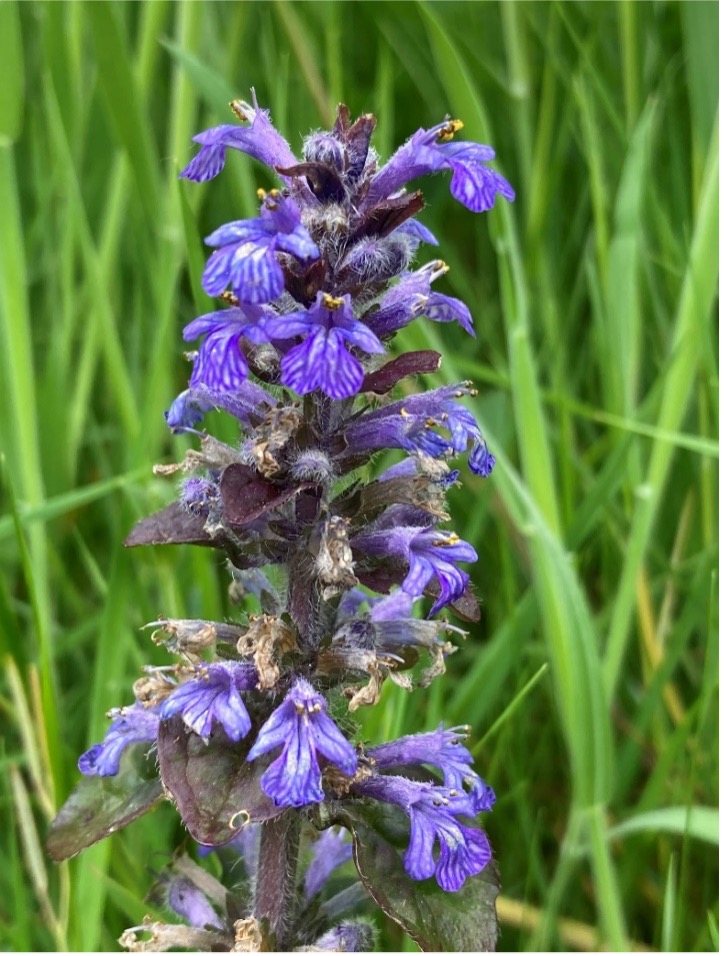
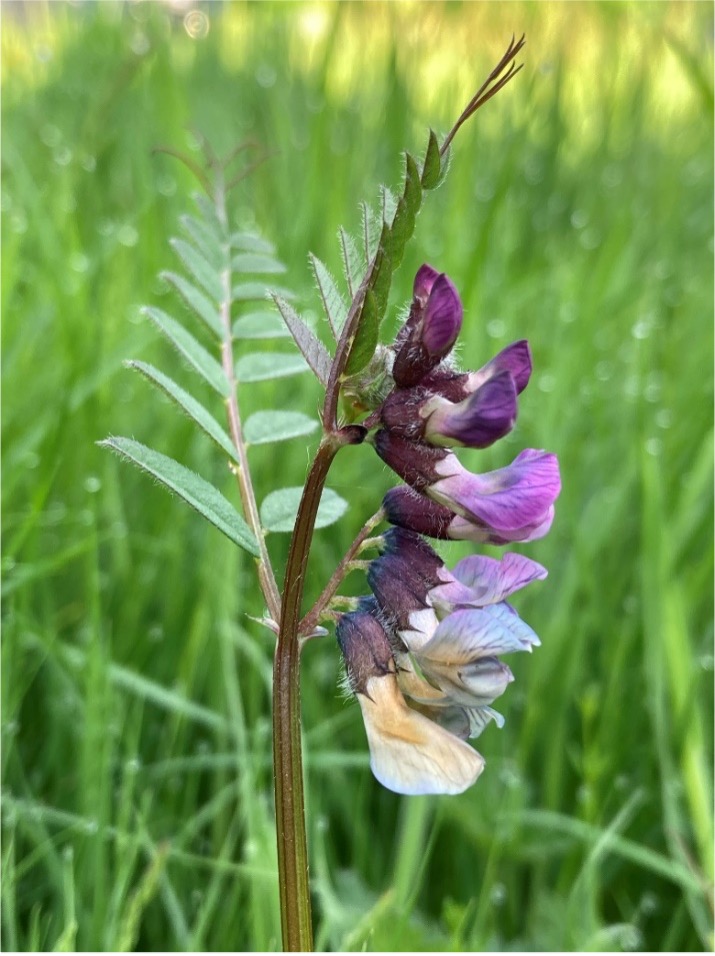
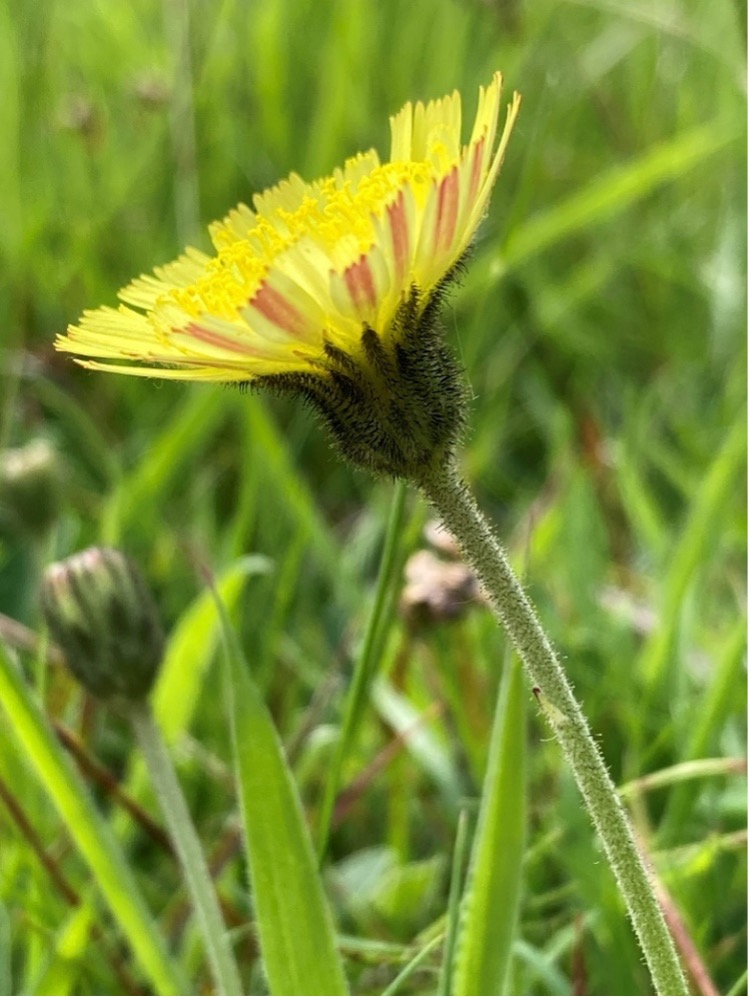
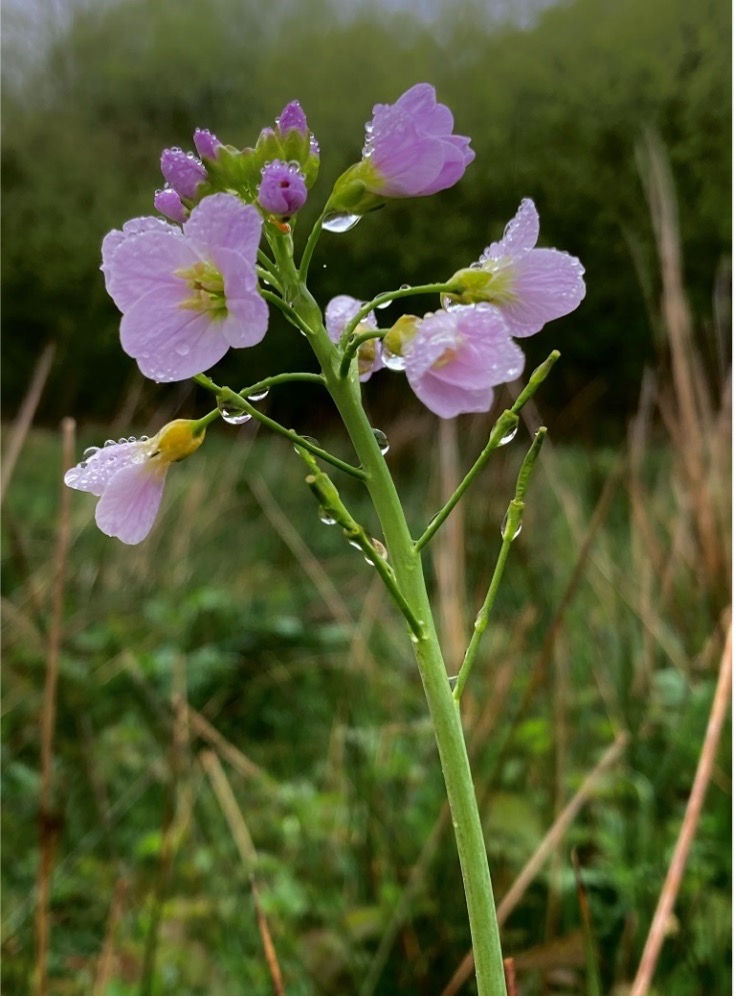
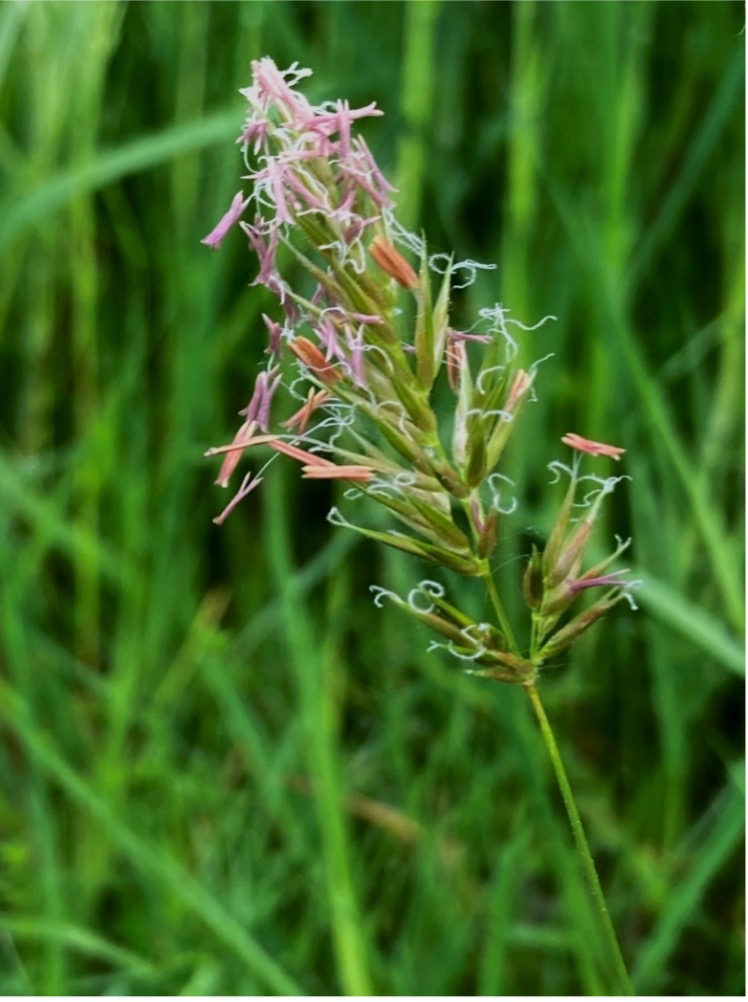
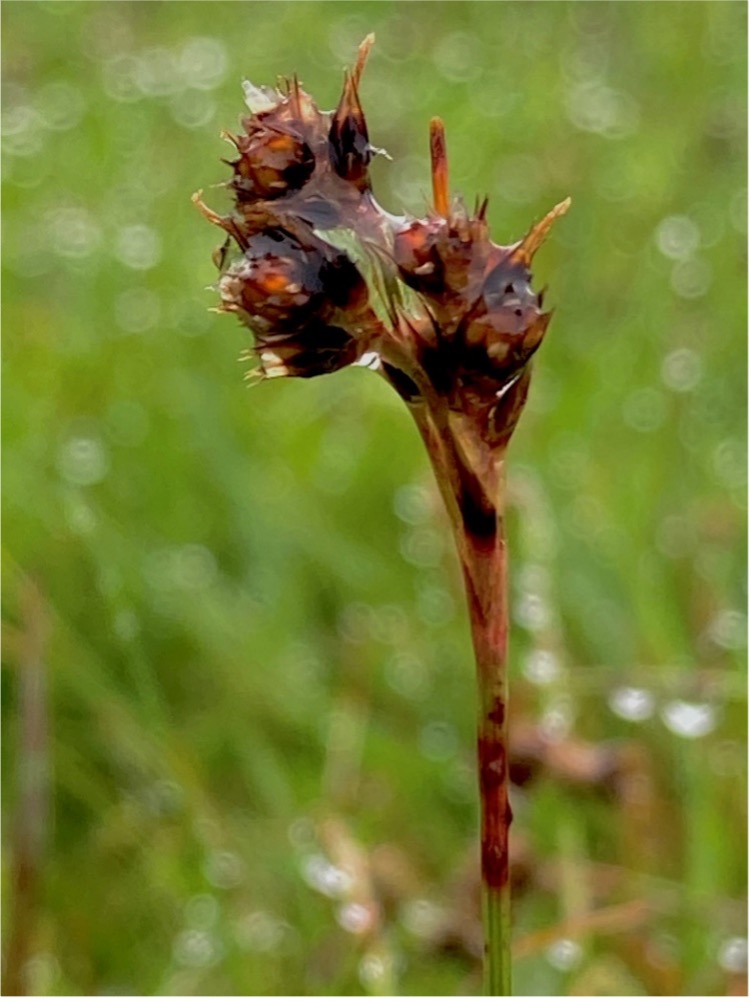
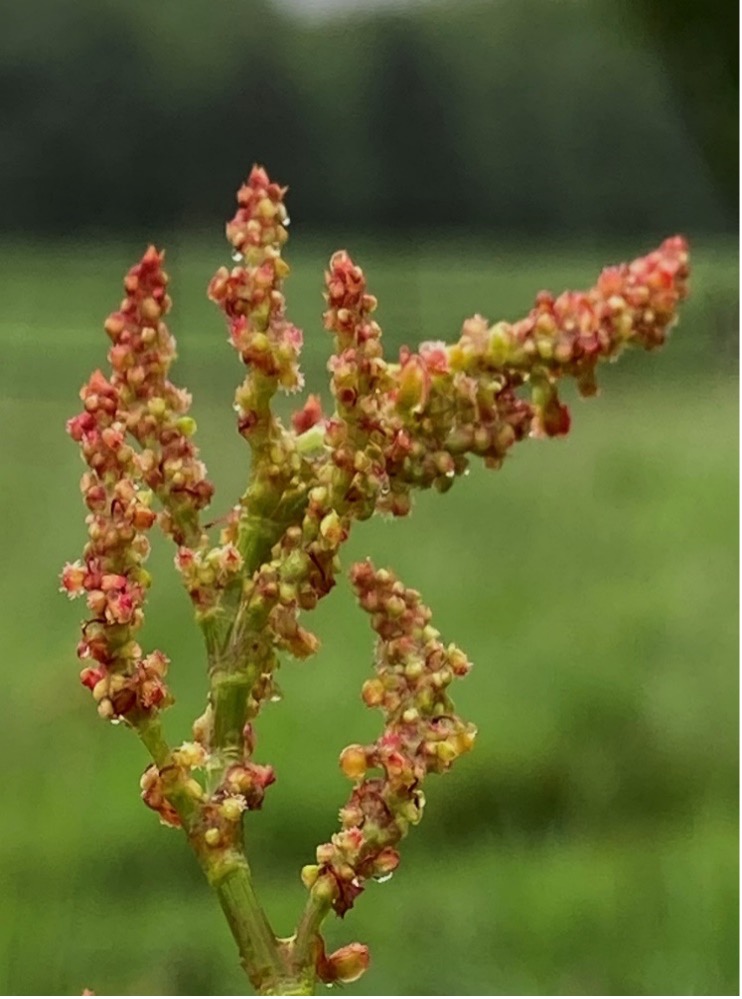
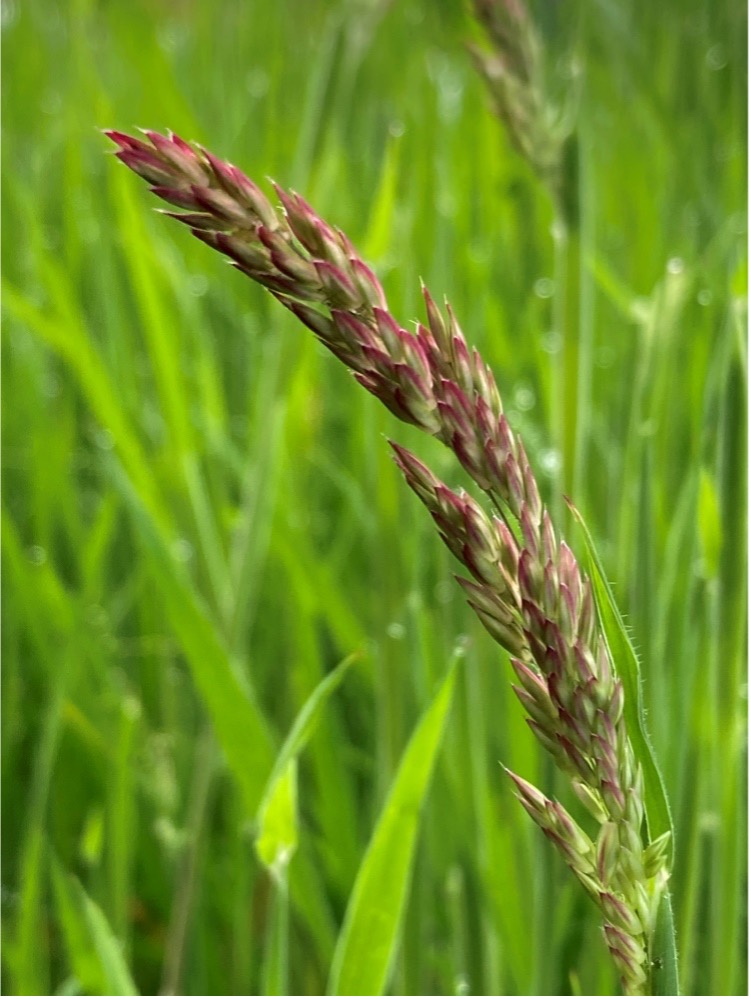
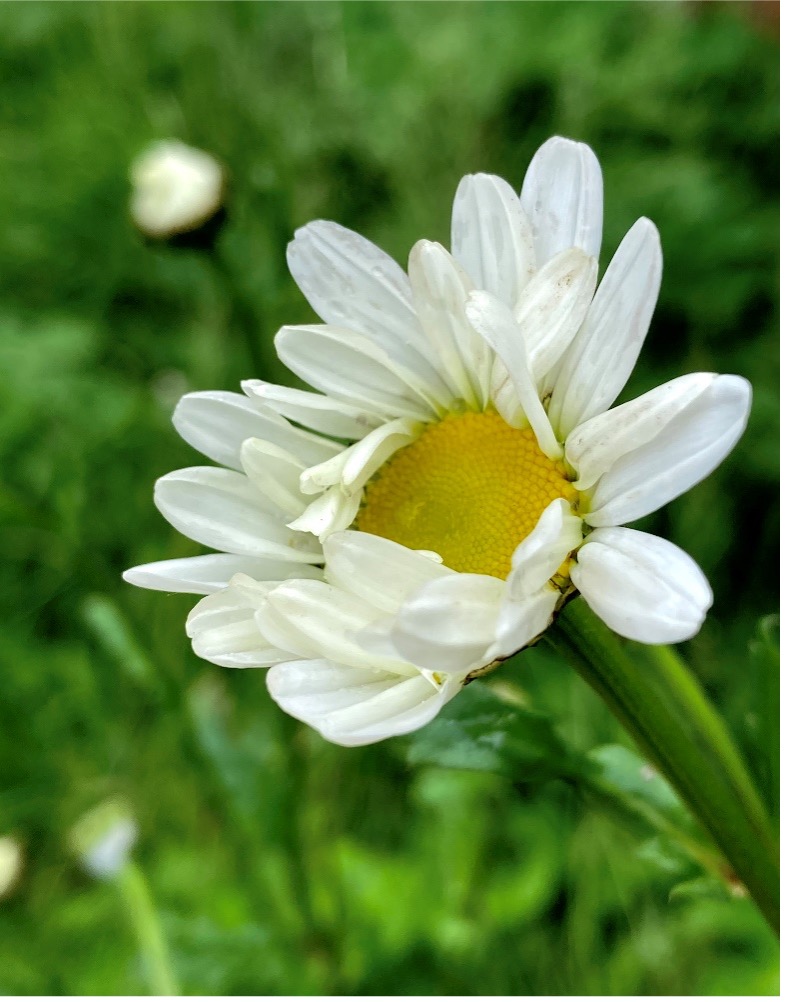
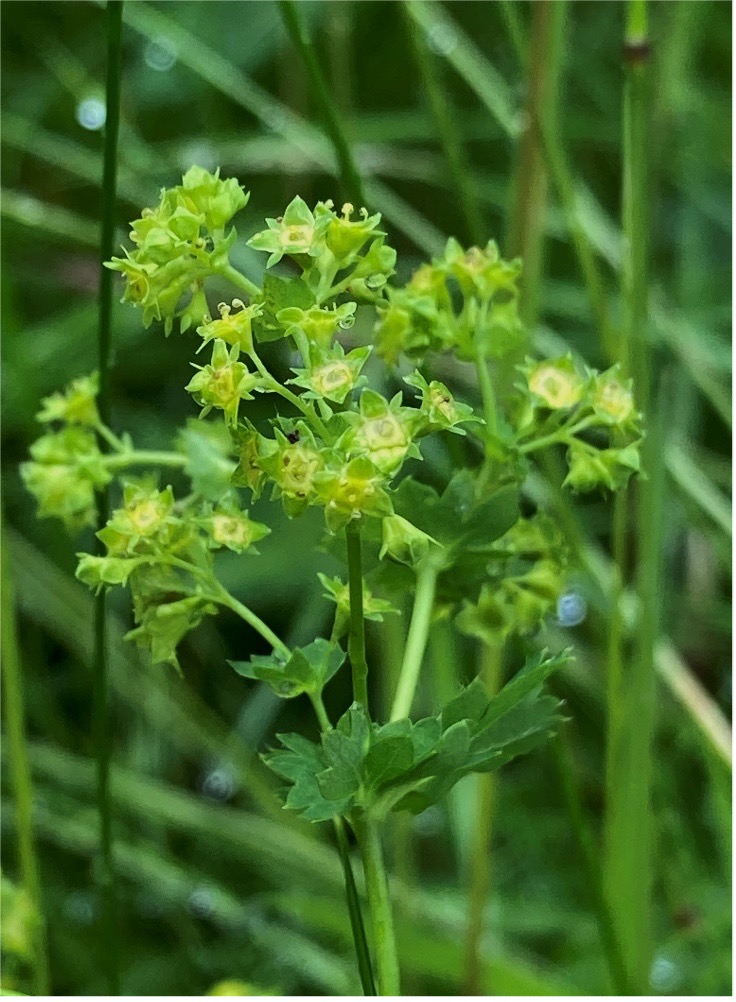
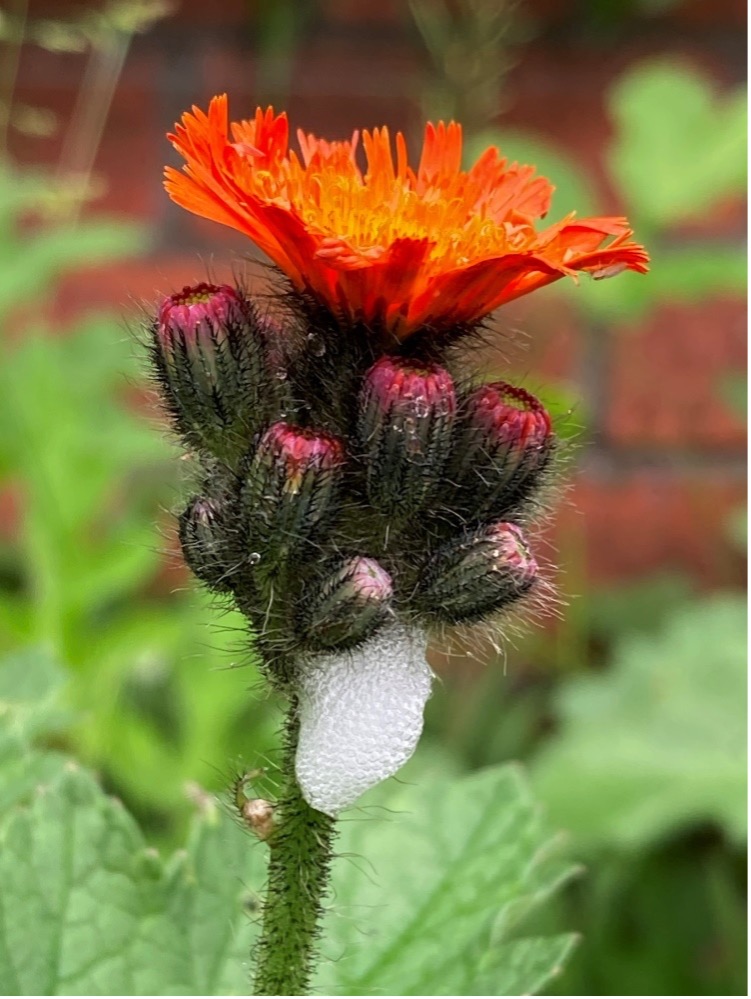
Here is a selection of some of the plant species that we have recorded so far: