The gardens and woodlands around Higham Hall provide an important refuge for a wide variety of birds which can be seen here throughout the year.
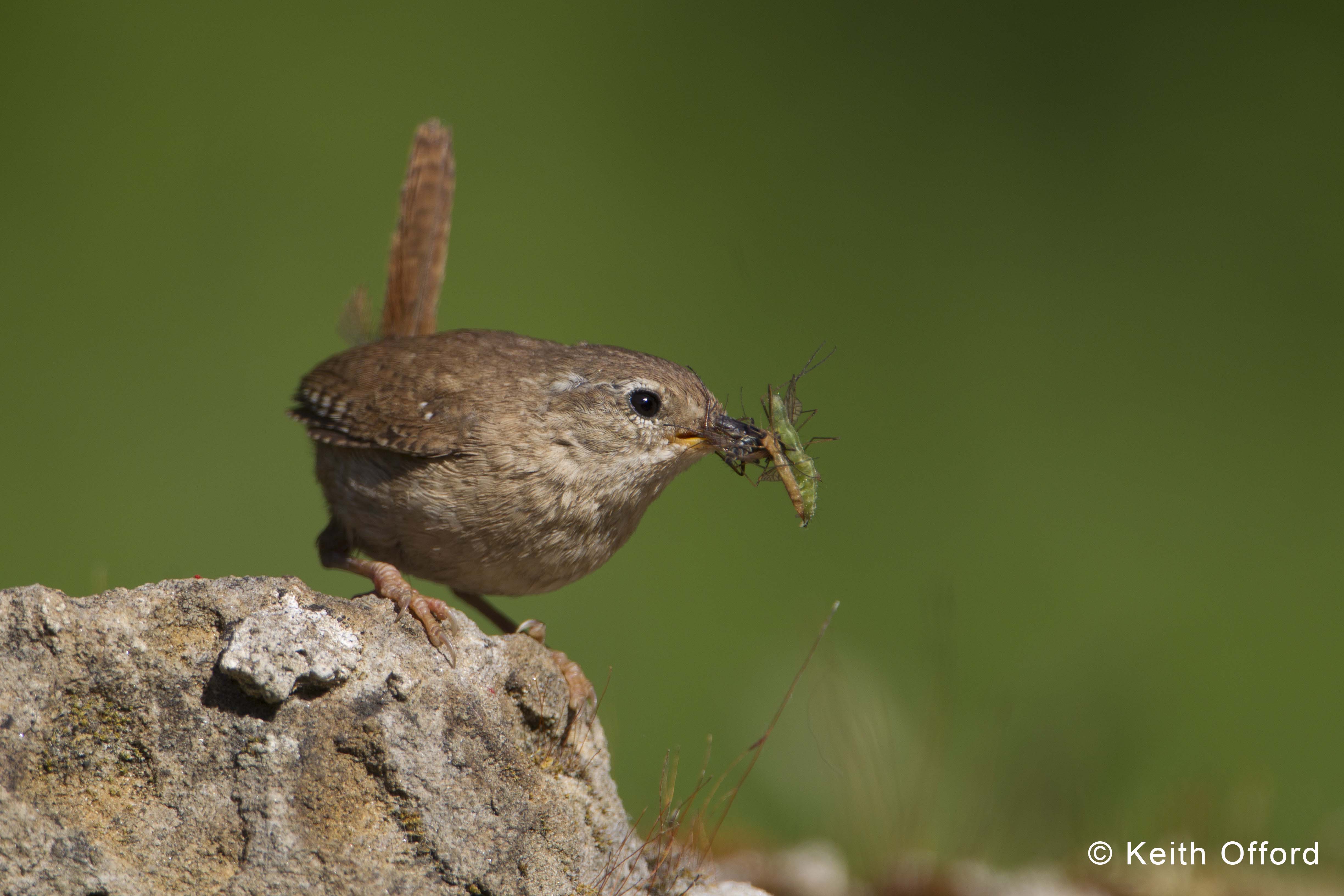
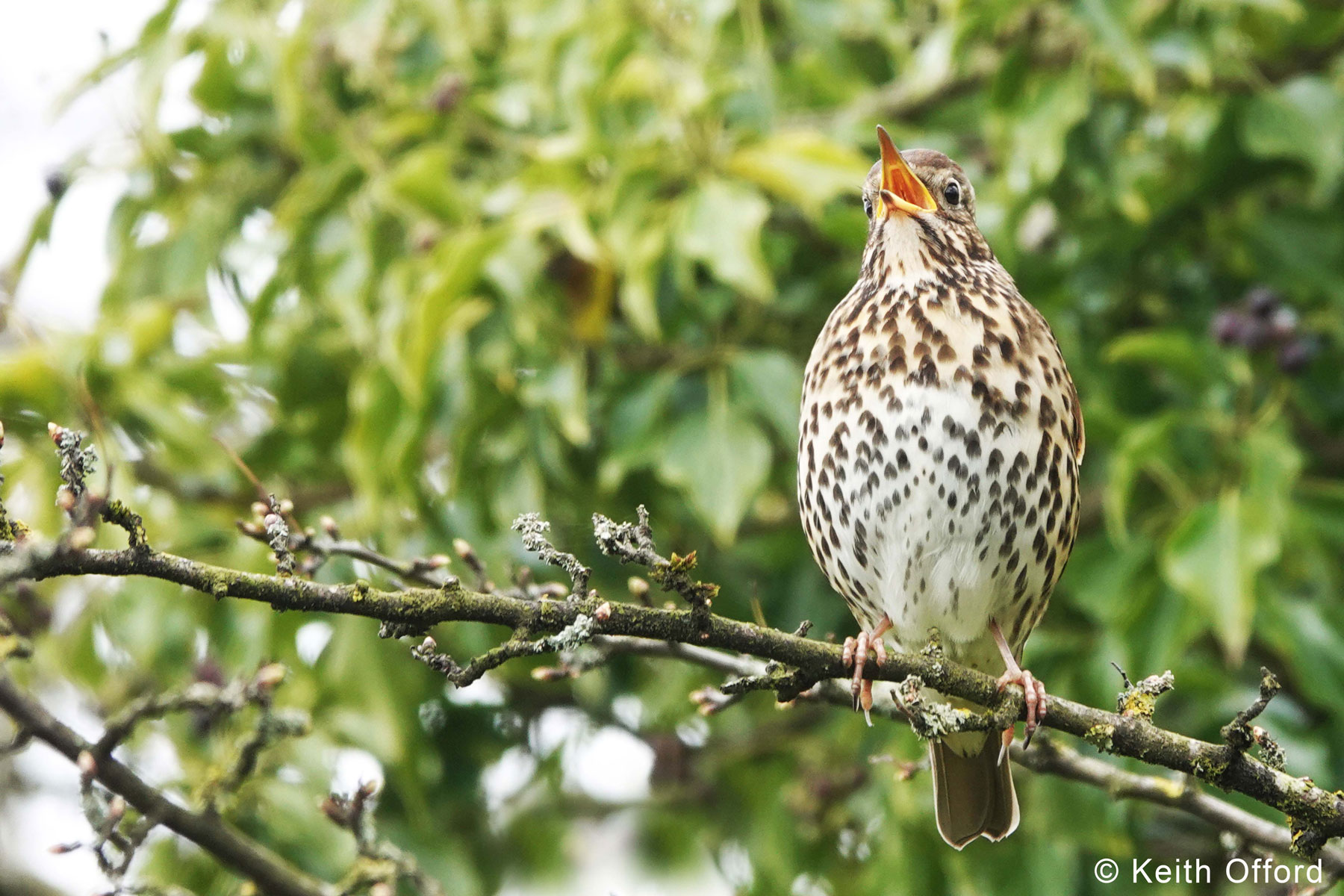
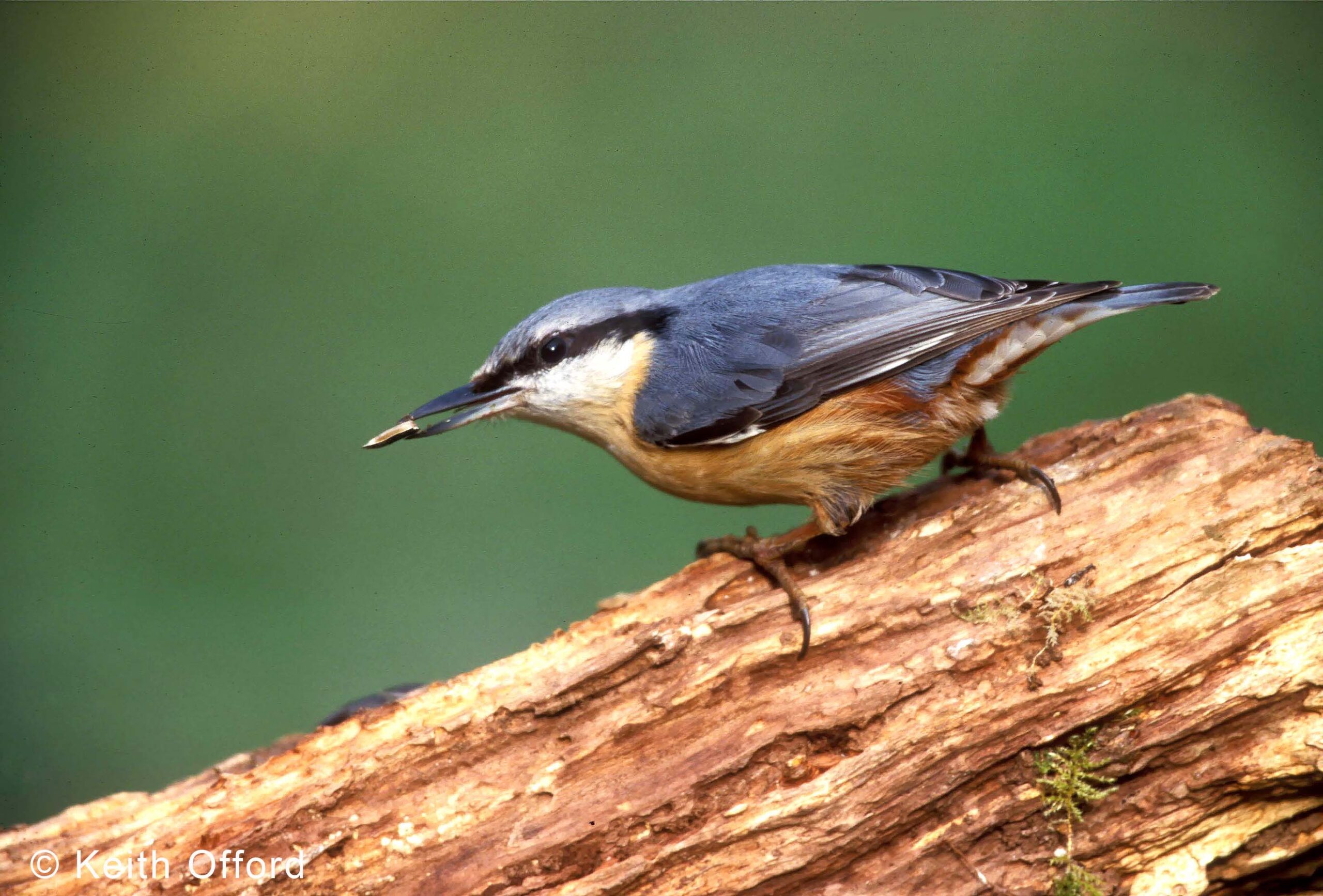
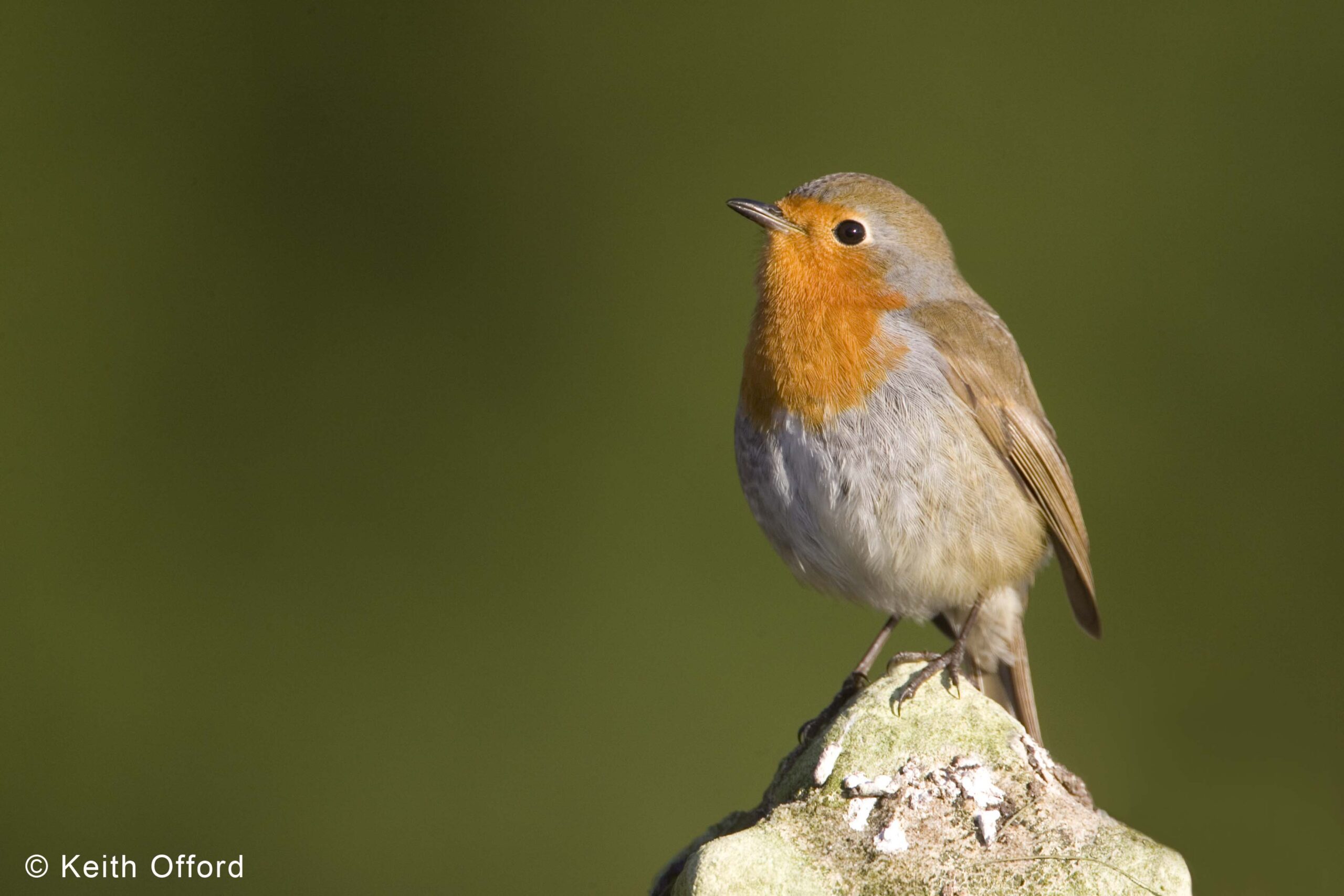
Springtime at Higham arrives early with Song Thrush and Mistle Thrush setting out their territory in loud performances from high in the trees, often joined by the equally vocal Nuthatch and the cascading song of Chaffinch. Robins, Dunnocks and Wrens add to this chorus, along with the trio of Great, Blue and Coal Tits. The unmistakeable drum of Great Spotted Woodpecker is another herald of the oncoming breeding season. Less obvious are Treecreepers, methodically working up the trunks, and Goldcrests gleaning small invertebrates from the tips of branches. Pied Wagtails strut around the roofs and turrets where the warming sun re-invigorates flies. At night the quavering hoot of Tawny Owl adds to the occasional bark of fox.
It is not long before the first migrants appear; the onomatopoeic two-syllable Chiffchaff is soon joined by Swallows which hawk insects over nearby meadows and nest in the towers and porches of the main hall. Chiffchaffs are ground-nesters and use the rich understory of Higham’s woodlands to hide their nests. Dense shrubs are good for summer-visiting Blackcaps and Garden Warblers as well as resident Bullfinches and Goldfinches.
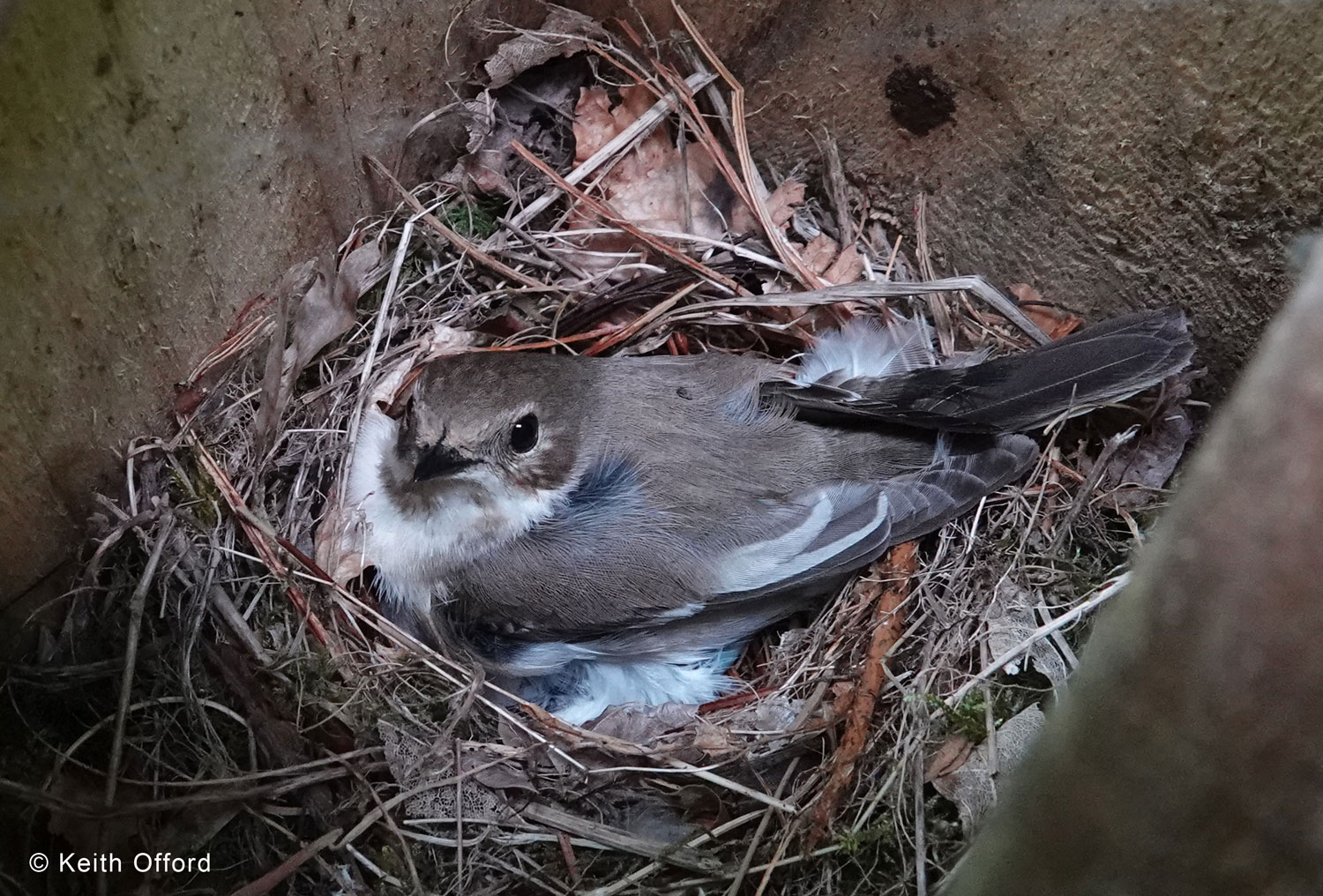
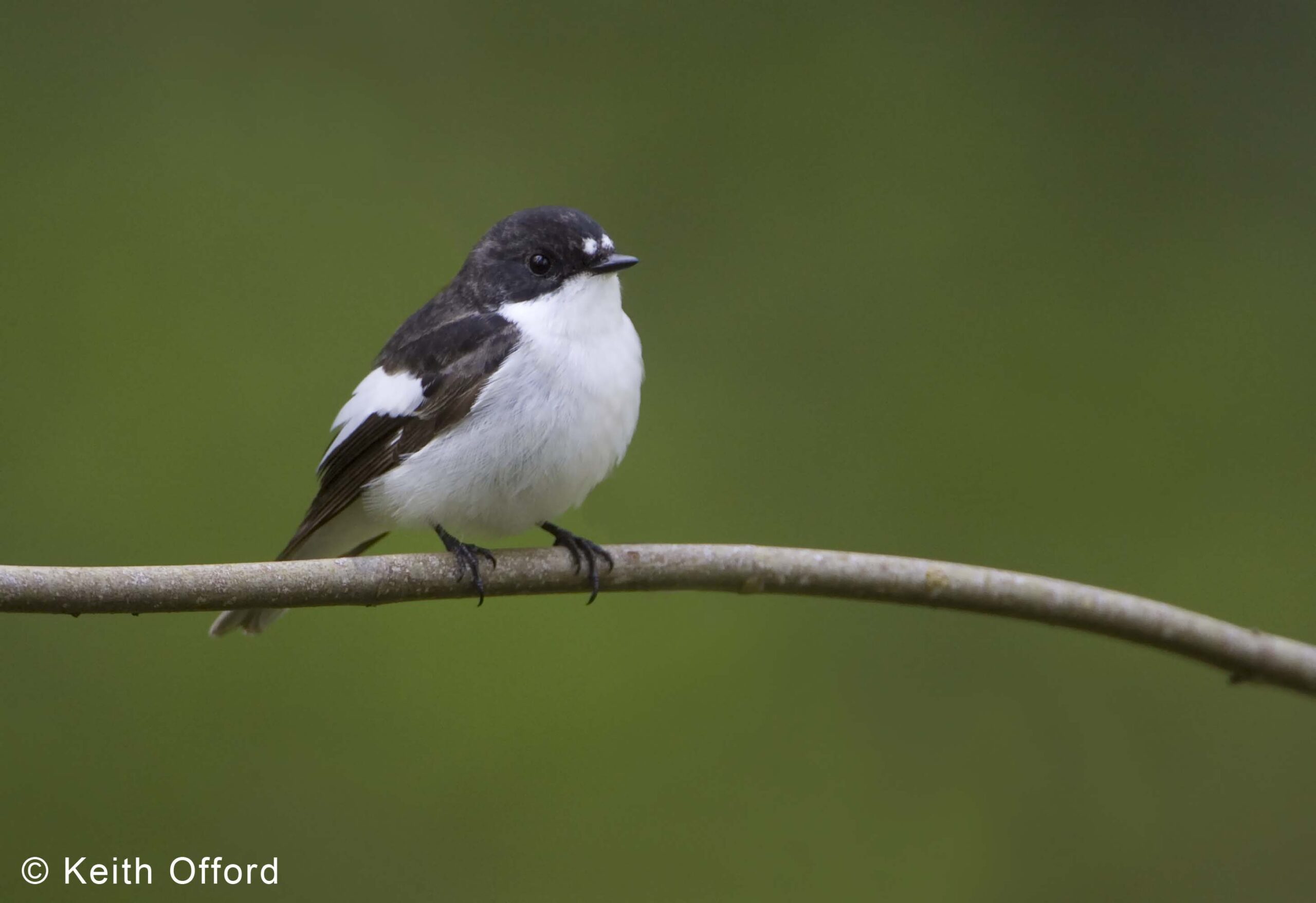
The older trees provide natural opportunities for hole-nesting species but nest boxes installed throughout the grounds are also well used. Blue Tit and Great Tit are the key species but Nuthatch is also a regular occupant. One of the iconic species of Cumbrian woodlands is the Pied Flycatcher which arrives from its West African wintering grounds in late April and in many years have occupied boxes in the grounds, their requirement for a hole-fronted box contrasting with the increasingly scarce Spotted Flycatcher which prefers an open box or ivy growing up a wall or tree.
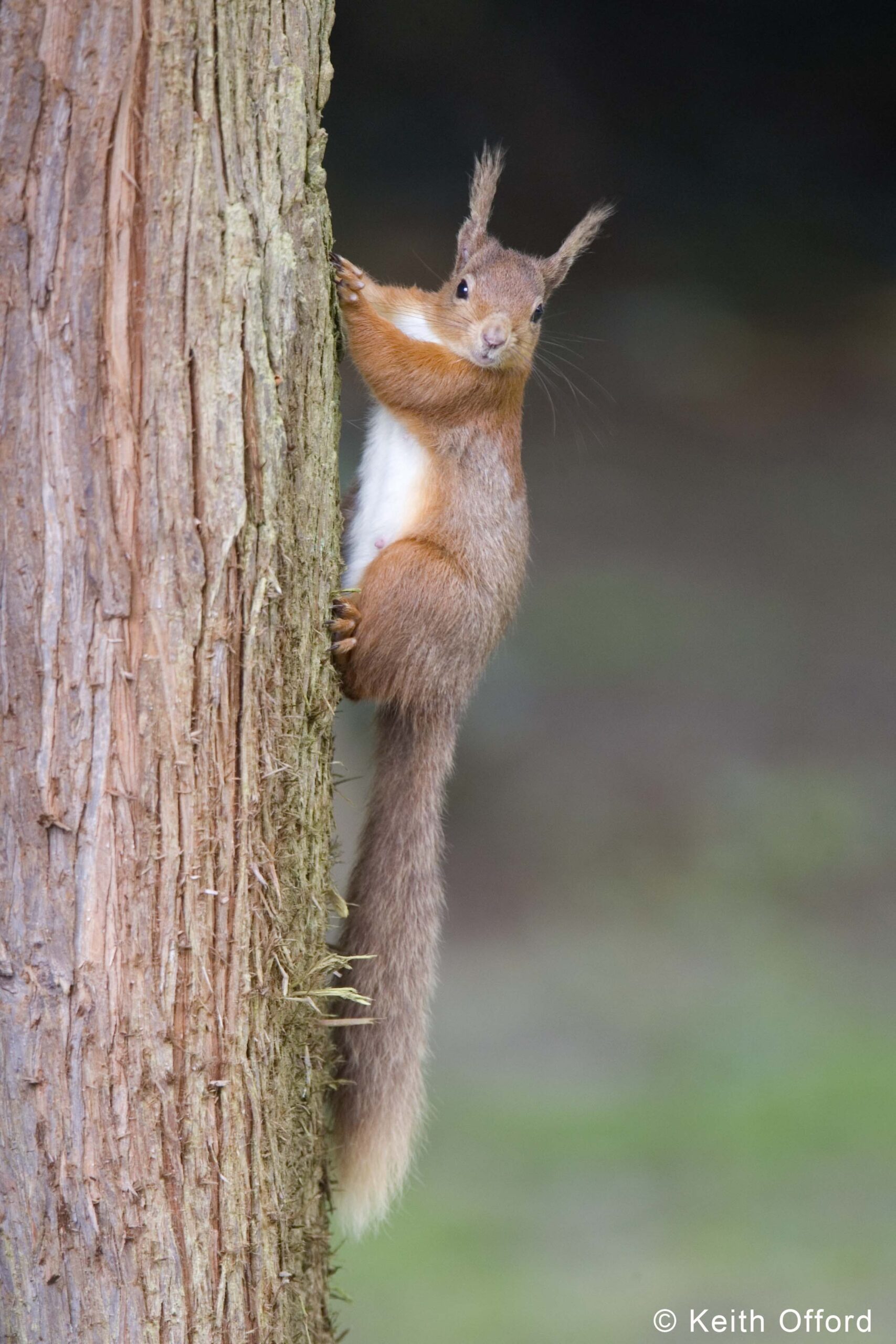
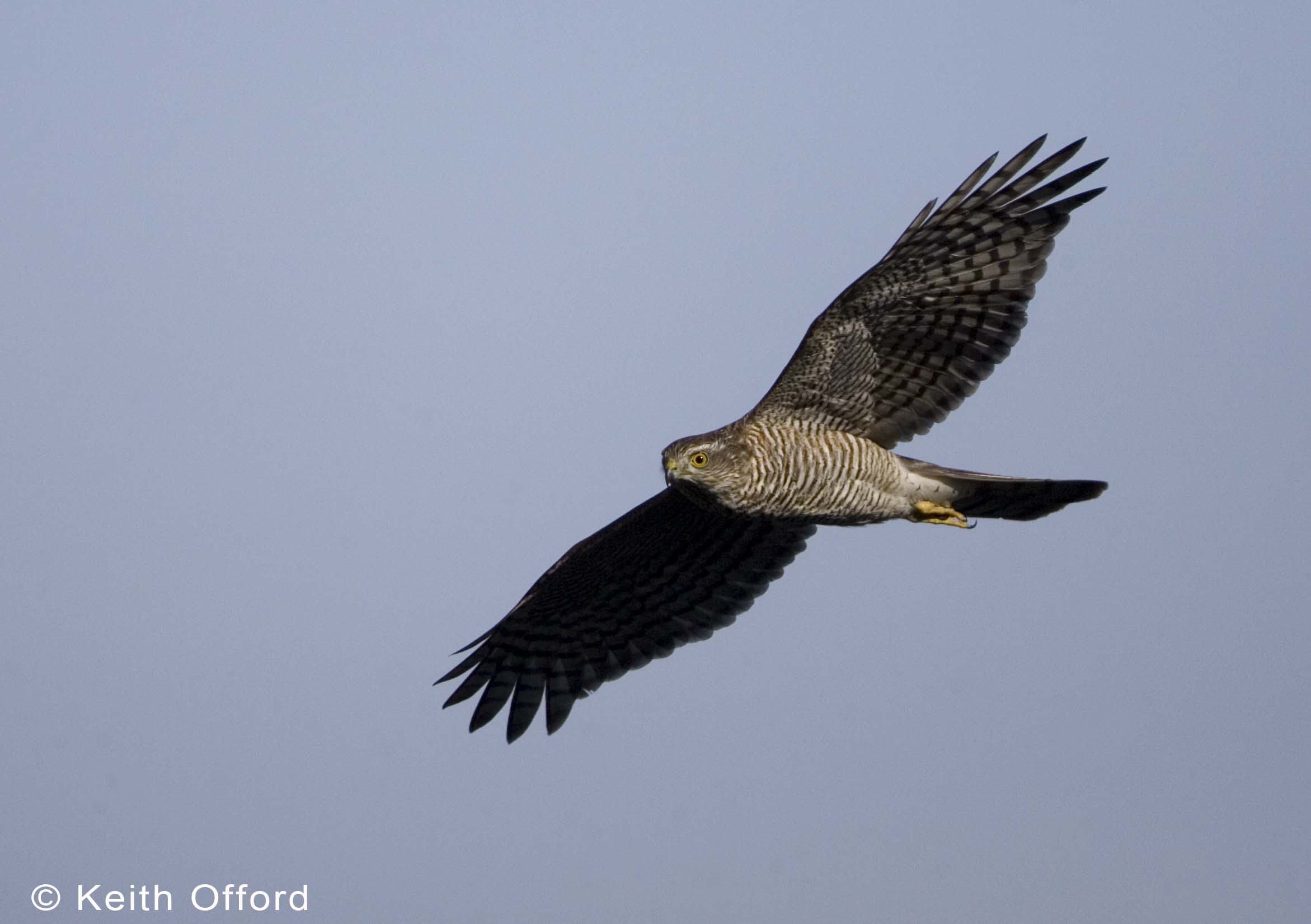
As summer moves to autumn and the south-bound migrants depart, abundant berries and seeds provide a bounty for newly-fledged birds as well as the first visitors from the north. As winter advances this will soon diminish but multiple bird-feeders around the grounds provide easily-accessible seeds and peanuts, both of which enable birds to top up their energy intake. Typically, the feeders are visited by all three Tits, Chaffinches, Siskins, Nuthatches and occasional Long-tailed Tit, all of which are an important potential food source for Sparrowhawks. Feeders also attract Red Squirrels which are always a popular sight.
In our nature-depleted country, with 1 in 8 bird species now threatened with extinction globally, what we do to support our avian friends in oases such as the woods and gardens of Higham – from nesting boxes and feeders to insect-friendly planting – is vital. Please support our efforts if you can. Donations towards the upkeep of our gardens will help cover the cost of birdseed, new plants and accessible paths.
KEITH OFFORD
Ornithologist and tutor, birdwatching and wildlife photography courses